Art & Architecture Routes: Cultural Paths Through Iconic Cities
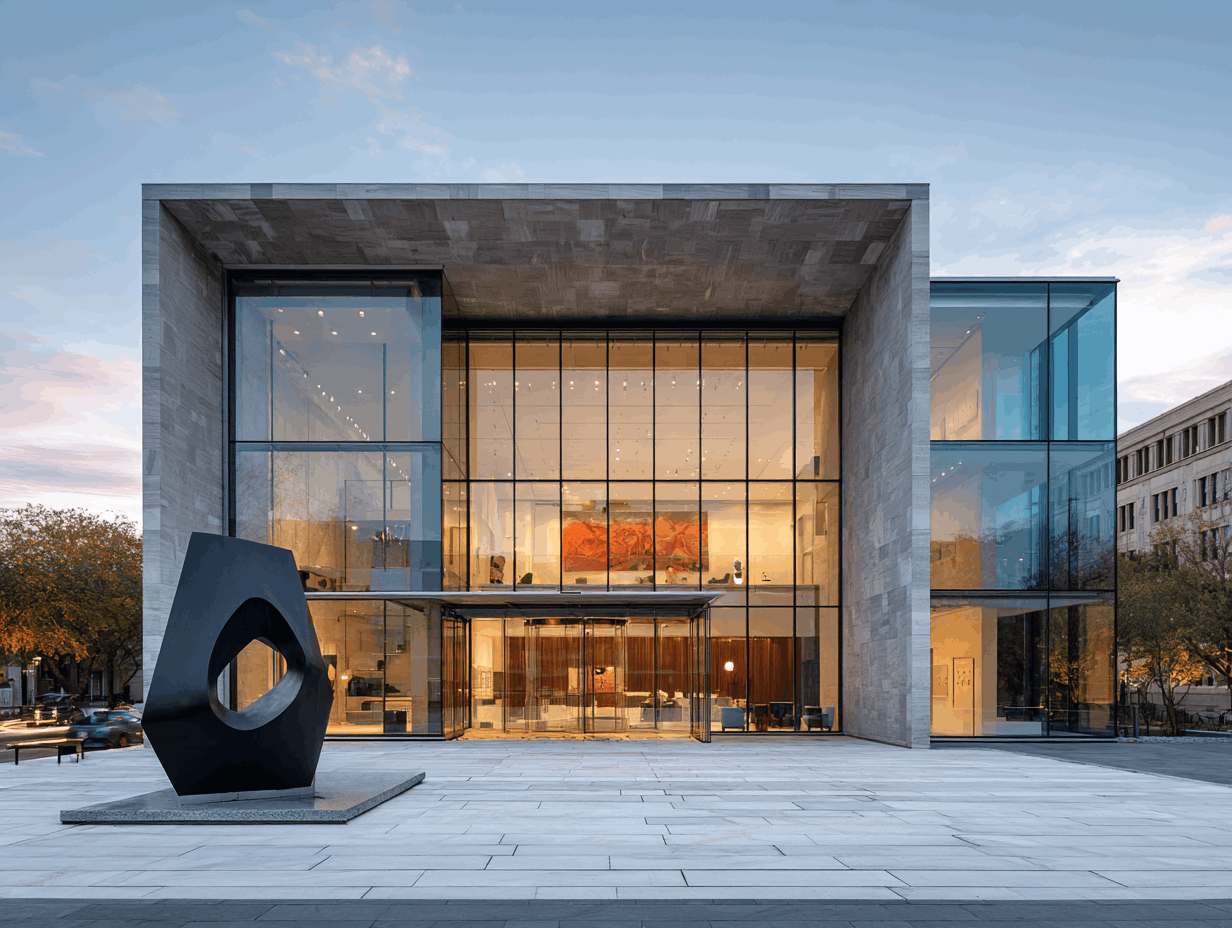
Some cities are best understood not through отдельні places, but through movement between them. Walking from one museum to another, passing through streets that already feel like part of the exhibition, noticing how architecture connects everything together. These routes are not strict itineraries, more like suggested paths that let you experience art and design in a continuous way.
The idea is simple, follow a line through the city where culture builds gradually, not in isolated stops.
1. Paris: From the River to the Museum Districts
Start near the river and move inward. The transition from open пространства to dense museum areas feels natural, almost planned that way. Along the route, architecture shifts slowly, from historic facades to more structured public buildings. You don’t need to rush, the distance is manageable, and there are plenty of places to pause.
This route works because the city itself feels like an extension of its museums, not something separate.
2. Rome: Layers of Time in One Direction
Rome doesn’t follow a straight line, but you can still create a route that connects different periods. Walking through the city means constantly shifting between eras, ancient structures, later additions, and more modern elements. Museums are part of this, but often the streets themselves carry just as much weight.
It can feel a bit disorganized at times, but that’s also what makes it real.
3. Berlin: Structured Culture with Gaps in Between
Berlin’s routes are more defined, but also more open. You move between cultural clusters, with space in between to reset a bit. Architecture here is not always polished, sometimes even rough, but it creates contrast that keeps the experience interesting.
Museums are strong, but the transitions between them matter just as much.
4. Barcelona: Movement Through Design
Barcelona almost feels designed for this kind of exploration. Streets guide you naturally from one point to another, and architecture is impossible to ignore. Art spaces blend into the city, not hidden, but also not isolated.
It’s easy to cover a lot without realizing how much you’ve seen, which is rare.
5. Vienna: Clear Structure, Easy Flow
Vienna offers a more predictable route, but that’s not a bad thing. Cultural institutions are placed in a way that makes movement simple and logical. Architecture is consistent, museums are close enough to connect without effort.
It may feel a bit too organized for some, but for a short trip, it works very well.
6. New York City: Contrasts in Short Distances
New York is less about one continuous route and more about connecting strong segments. You move between areas that feel completely different, but still form a larger picture. Architecture changes quickly, museums vary in style, and the energy stays high.
It’s not always smooth, sometimes even chaotic, but never dull.
7. Tokyo: Controlled Complexity
Tokyo routes require a bit more planning. Distances are larger, and the city doesn’t reveal itself immediately. But once you connect the right areas, the experience becomes very rich. Traditional elements and modern design exist side by side, though not always obviously.
It takes effort, but the result feels unique.
8. Florence: Compact and Continuous
Florence is probably the easiest city for this kind of route. Everything is close, and the transition between art and architecture is almost seamless. You don’t need transport, just time and patience.
It can get crowded, which breaks the flow a little, but not enough to ruin it.
9. Istanbul: Cultural Crossroads in Motion
Istanbul offers routes that feel less linear and more organic. You move through areas where different influences meet, and that affects both art and architecture. The city doesn’t always guide you clearly, sometimes you need to adjust as you go.
That unpredictability can be frustrating, but also makes the experience more alive.
10. Chicago: Urban Design as a Route
Chicago is different from most cities on this list. Here, the route is shaped by the city’s layout itself. Streets, riverfronts, and public spaces create a clear path through architectural highlights. Art is present, but architecture often takes the lead.
It’s direct, structured, and surprisingly easy to follow.
How to Build Your Own Route
Start with two or three key points and connect them through walking, not transport if possible. The spaces in between are just as important as the destinations, sometimes even more.
Avoid planning every step. A route should allow small detours, pauses, and changes. Otherwise it turns into just another checklist, which kind of defeats the purpose.
A good cultural route doesn’t feel like a list of places. It feels like one continuous experience, even if it’s a bit uneven at times.
Have a city in mind but not sure where to start? Send us a quick email and we’ll suggest the best routes, museums, and local highlights tailored to your weekend trip.

Murubu – endless city routes, museum trips, and urban escapes.
Plan smart, explore more, travel better.
© Copyright 2026 Murubu LLC - All Rights Reserved